Cursor
The visual indicator showing the mouse position on screen, which changes shape to indicate possible interactions. Custom cursors can reinforce branding and provide feedback about interactive elements. In Framer, the cursor becomes contextual tools for placing elements and manipulating the canvas during design.
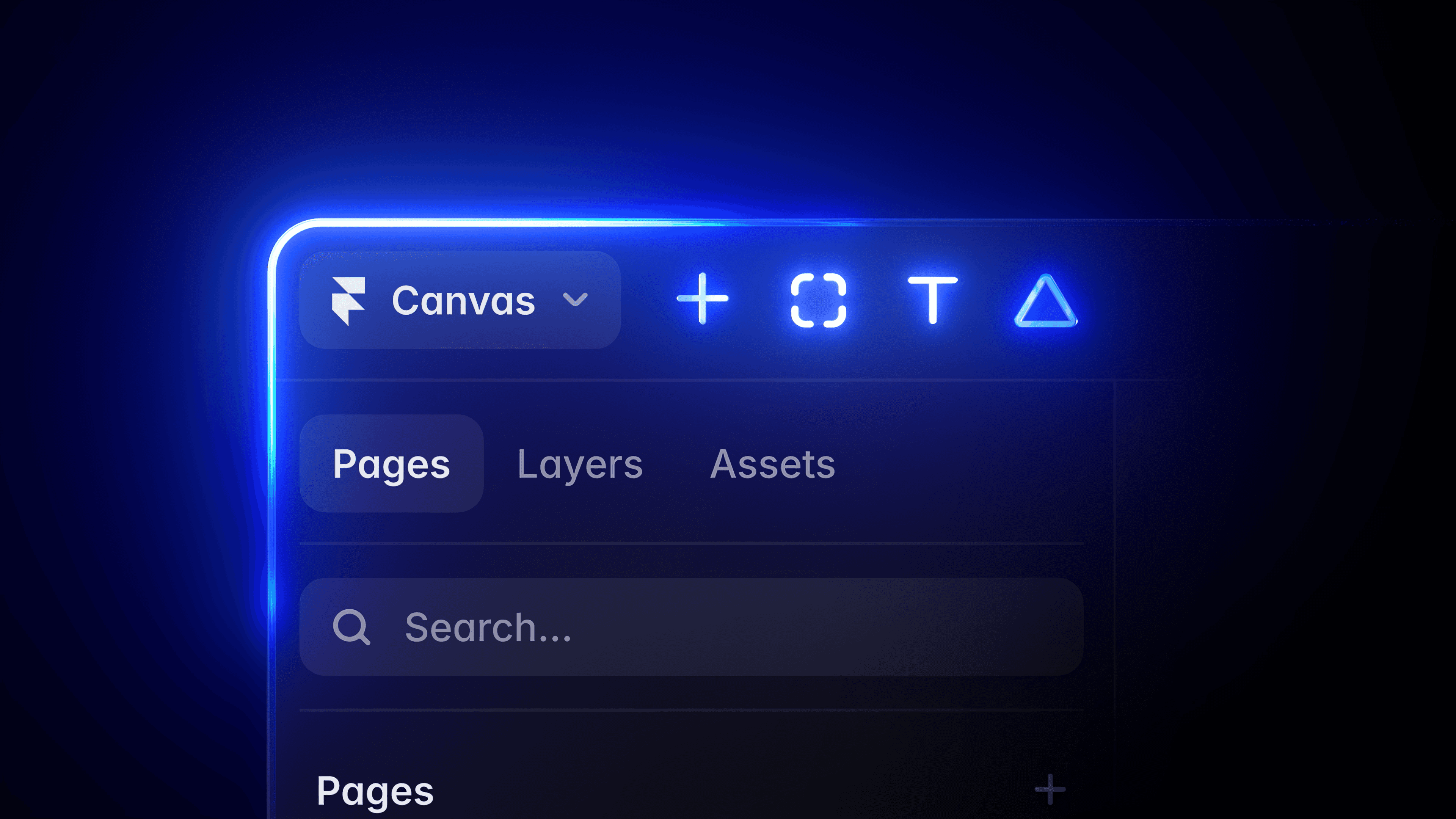
Canvas
Framer
The workspace in a design tool where you create and arrange visual elements, representing the artboard or page you’re designing. In Framer, the cursor that lets you precisely place and manipulate elements. The scale.canvas is where you build your site visually, with a floating canvas supports zoom, pan, and rulers to help you work at any
Drag
Interaction
An interaction where users click and hold an element to move it, common for reordering lists, sliders, and drawing interfaces. Drag interactions should provide clear visual feedback about what's being moved and where it can be dropped. Consider touch device behavior where drag competes with scrolling gestures.
Hover State
Interaction
The visual appearance of an element when a user's cursor is positioned over it, providing feedback and indicating interactivity. Hover states are essential for buttons, links, and clickable elements—without them, users can't tell what's interactive. Remember that hover doesn't exist on touch devices, so don't rely on it for essential information.
Code Completion
AI
Real-time or on-demand suggestions provided by an AI model as a developer types, ranging from single-word completions to entire function bodies. Modern tools like GitHub Copilot and Cursor use large language models to infer intent from surrounding code and comments. Code completion reduces keystrokes, surfaces patterns, and helps developers stay in flow—while requiring judgment about whether suggestions are correct and appropriate.
Agentic Coding
AI
A step beyond code completion, agentic coding lets an AI agent take multi-step actions—reading files, running tests, fixing errors, and committing changes—with the developer reviewing at checkpoints rather than writing every instruction. Tools like Claude Code and Cursor’s Composer operate in this mode. Agentic coding accelerates complex tasks but requires clear goals, sandboxing, and human review to avoid unintended side effects.